


Limestone vs Sandstone Flooring: Which Is Best for UK Homes?
Few materials change a room the way natural stone does. A honed limestone floor running from hallway into kitchen, or a riven sandstone flagstone in an old cottage, brings a depth of colour that porcelain can only imitate. Limestone and sandstone are the two stones homeowners ask about most, and they are often treated as interchangeable. They behave quite differently underfoot, under a mop and over underfloor heating, so it pays to know which is which before you commit.
Sandstone and limestone: what you are actually buying
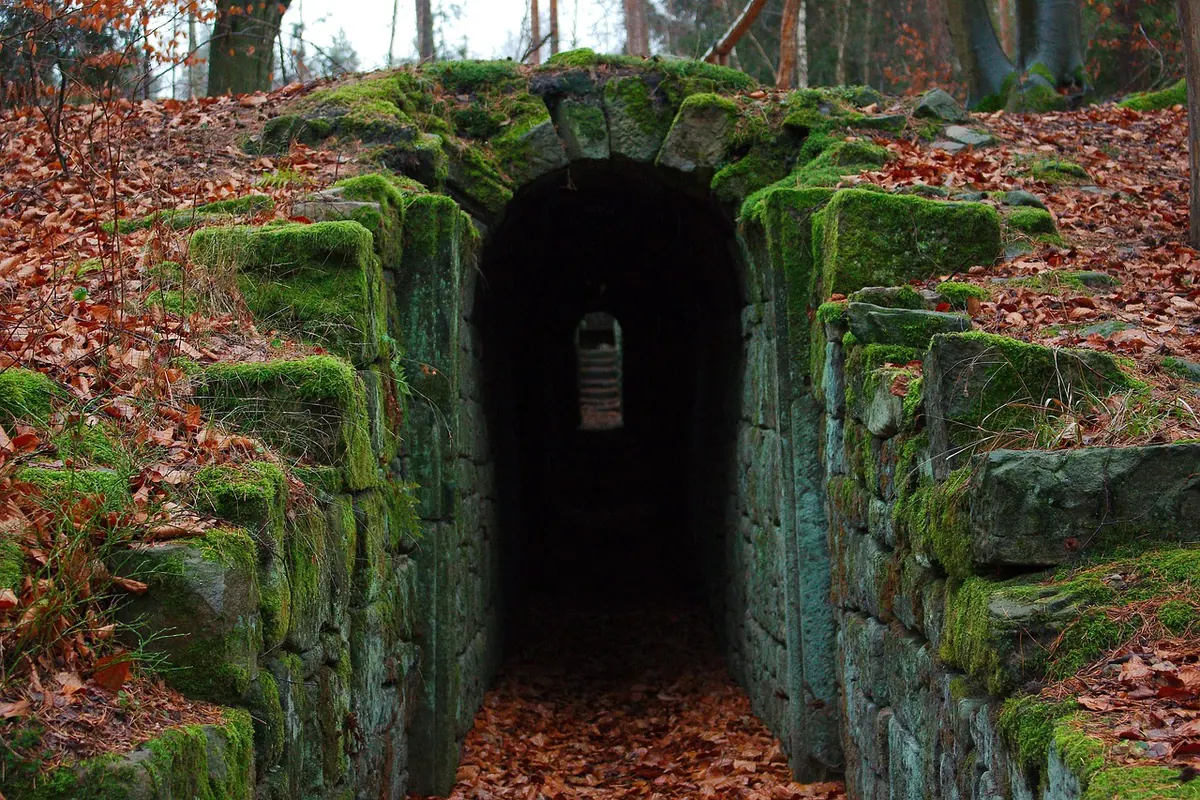
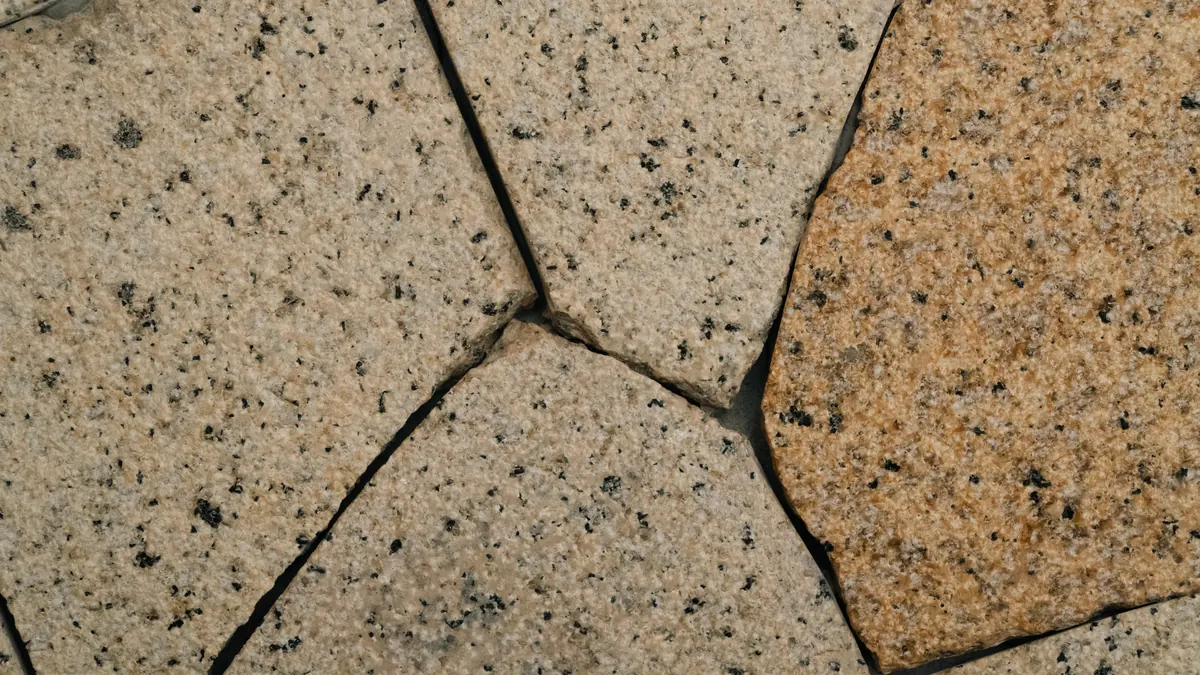
Sandstone is exactly what the name suggests: grains of sand, mostly quartz, cemented together over millions of years. Look closely and you can often see the grain and the bedding lines — the ghost of an ancient riverbed or dune. York stone is sandstone, and so is most of the imported flooring sold as Indian sandstone.
Limestone began as calcium carbonate: shells, coral and skeletal fragments laid down in warm shallow seas, or formed chemically into the tiny rounded grains you see in Cotswold and Portland stone. The result is finer, more even in texture and usually denser.
That difference drives everything else. Quartz grains make sandstone hard-wearing but grainier and more open. Limestone is often tighter but chemically softer, and acids etch it. Lemon juice, vinegar and many limescale removers will dull a limestone floor if they are left to sit on it.
Porosity, sealing and everyday cleaning
Both stones are porous, and neither is sealed for life at the quarry, whatever a showroom display suggests.
Limestone
Generally less absorbent than sandstone, particularly the denser British and French varieties. It still needs sealing — especially in kitchens, bathrooms and hallways — but a good impregnating sealer can last several years before it needs topping up. Clean with a pH-neutral stone cleaner and wipe spills promptly. Acidic products are the main way limestone floors get ruined.
Sandstone
Often noticeably more absorbent, particularly softer imported stone. A drop of water on an unsealed sandstone tile can darken it within seconds. That means sealing before grouting and again afterwards, then resealing more often: in a busy kitchen or hallway, once a year is not unusual.
You can test a spare tile yourself. Leave a few drops of water on the surface for ten minutes and watch how quickly it soaks in and darkens. Do the same again after sealing to see the difference. Signs the floor is due another coat:
- Water no longer beads on the surface but soaks in and darkens the stone
- Pale traffic lanes appear where the sealer has worn away
- Oil, wine or muddy footprints start leaving marks that used to wipe off
Finish, colour and how each stone reads in a room
Limestone is the quieter of the two: soft creams, greys and beiges, sometimes with visible fossils. It comes honed (smooth and matte), polished (glossy, dramatic and slippery when wet, so think twice in a bathroom or a kitchen used by young children), brushed or tumbled. Honed and tumbled finishes are the sensible choice for wet areas.
Sandstone is warmer and more varied, with riven surfaces, banded colouring and occasional ripple marks. Riven flagstones look superb in period properties, but the grooves trap grit and take more effort to mop. Sawn, sandblasted and tumbled sandstones give you a flatter, easier surface.
For either stone, check whether the tiles are calibrated — cut to a consistent thickness. It speeds up laying, gives a flatter floor and matters more once underfloor heating is involved.
Underfloor heating: how the two compare
Stone is one of the best floor finishes for underfloor heating. It conducts heat well, stores it and releases it slowly, which suits the low flow temperatures of a modern heat pump. Limestone and sandstone both work, with caveats.
Thick stone takes longer to warm. A chunky reclaimed flagstone can take hours to reach temperature, which is fine if the heating runs steadily but frustrating if you want quick bursts of warmth. Uneven thickness has a similar effect, because the adhesive bed varies and heat spreads unevenly.
Very porous sandstone needs thorough sealing before the heating is commissioned, and softer stones are more prone to cracking or movement if they are heated and cooled quickly. Ask your supplier for the maximum recommended surface temperature for that specific stone, and stick to it.
Some practical points matter more than the choice of stone:
- Use flexible adhesive and grout rated for stone and underfloor heating.
- Run the heating on its own zone with a floor probe, so it controls the stone surface temperature rather than the air.
- Commission the system gradually over several days. Never switch it on full blast onto a cold floor.
- Keep the heating off for the curing period after laying, following the adhesive and stone supplier's guidance.
What each option costs
Sandstone is usually the cheaper of the two per square metre, especially imported Indian sandstone. Limestone sits higher, and British stones such as Portland, Purbeck and Ancaster carry a genuine premium for their consistency and provenance.
The tile price is only part of the bill. Budget for sealer, stone-safe adhesive and grout, levelling or a thicker bed if the substrate is uneven, and more labour for heavy or riven stone. Order about ten per cent extra for cuts and future repairs — more with heavily variegated stone, where you will want to pick and choose as you lay.
Running costs differ too. A porous sandstone floor resealed every year or two will cost more over a decade than a dense limestone that needs occasional refreshing. Get quotes from more than one fitter; installation, not the stone, is where budgets usually slip.
Which stone suits which room
- Hallway: both are excellent. Dense limestone or a York-style sandstone shrugs off grit and heavy traffic.
- Kitchen: sealed sandstone if you want character and can live with resealing; honed limestone if you want calm, provided you keep acidic cleaners away from it.
- Bathroom or wet room: honed, brushed or tumbled finishes only. Seal thoroughly and ventilate well.
- Living room: limestone feels calmer under a rug; riven sandstone adds texture but is less comfortable barefoot.
- Extension over underfloor heating: calibrated tiles of consistent thickness, whichever stone you choose.
Making your decision
Order samples of both and live with them for a week — in the room, in daylight and under the lamps you actually use. Wet one half of each tile to see the colour deepen and to judge how a sealer will change it.
Then ask two questions. Of the supplier: how absorbent is this stone, and what is its maximum surface temperature with underfloor heating? Of the fitter: how thick will the bed be, and does the substrate need work first? If your home is listed, or you are thinking about lifting an original flagstone floor, speak to your local conservation officer before you touch anything.
After that, follow your eye. Both stones will outlast most of the other decisions you make in that room.
Photo: Phát Trương / Pexels